Regulated by Design 1.02
From Cane to Compliance to Connection
For most of the history of schooling, regulation was not subtle.
It was imposed.
Thanks for reading Behaviour Intelligence! Subscribe for free to receive new posts and support my work.
A raised voice.
A public reprimand.
Detention, suspension, exclusion.
And, in earlier generations, the cane.
Fear did not just correct behaviour, it organised the entire system. Predictability came not from structure, but from threat. Students knew where the line was because crossing it hurt.
It is important to say this plainly: these systems “worked” in a narrow sense.
They produced obedience.
They reduced visible disruption.
They made classrooms easier to control.
They did not, however, produce regulation.
They produced suppression.
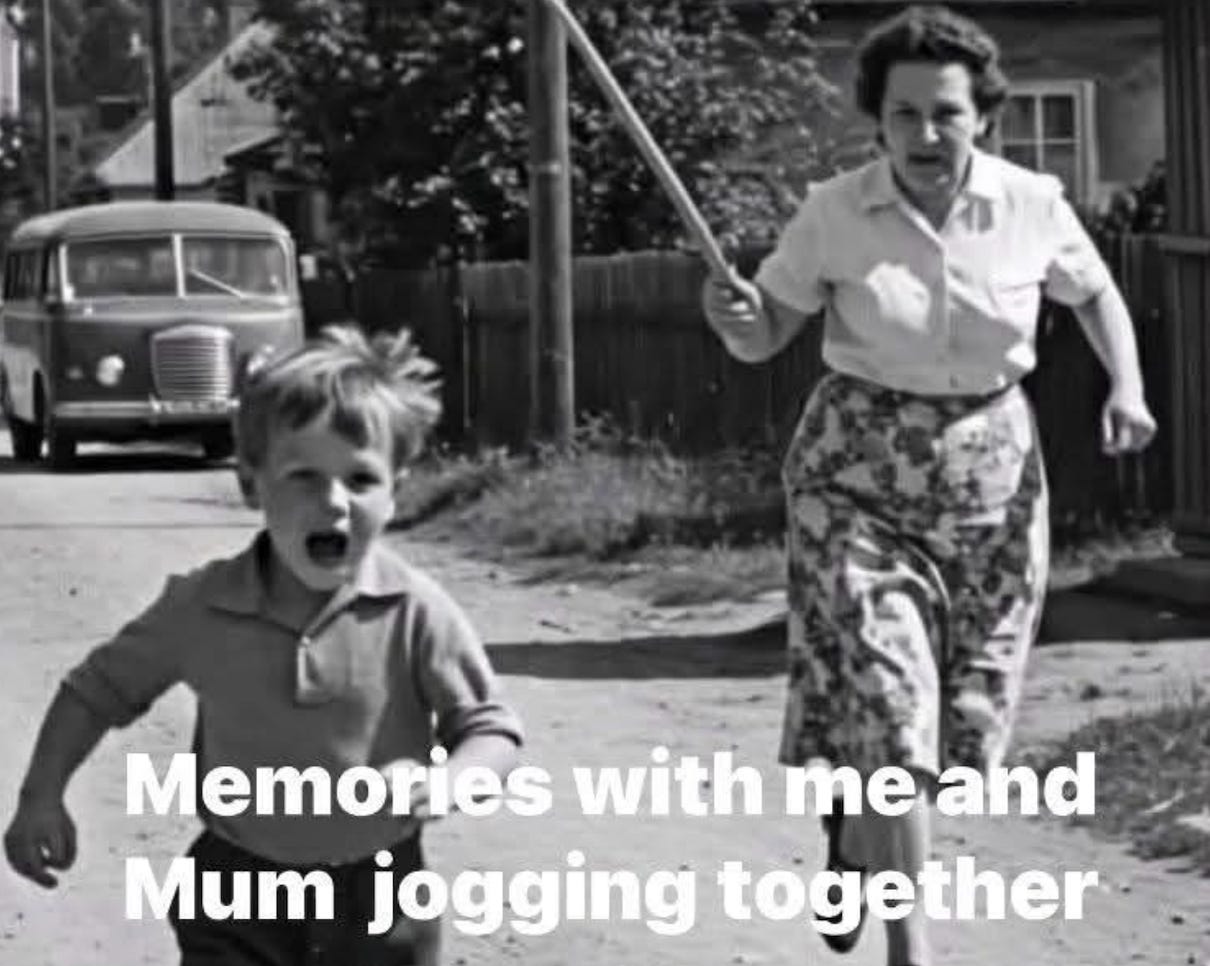
The Cane Era: When Fear Was the Regulator
In cane-based systems, behaviour was regulated externally and immediately. The nervous system learned a simple rule: comply to avoid pain or humiliation. This form of regulation was crude but effective because it hijacked survival systems.
Threat narrowed attention.
Fear prioritised obedience over exploration.
Authority was clear, absolute, and unquestioned.
There was little ambiguity, and ambiguity is deeply dysregulating. But the cost was high. Learning was often shallow. Curiosity was risky. Mistakes carried social and emotional danger.
Compliance replaced thinking.
And for many students, especially those already carrying stress or trauma, fear-based systems layered harm upon harm.
The cane era ended not because it was ineffective, but because we finally acknowledged its damage.
That reckoning mattered.
The Rise of Behaviourism: Control with a Softer Edge
As overt punishment declined, behaviourism took its place.
Charts replaced canes.
Rewards replaced fear.
Consequences replaced pain.
Behaviour was reframed as something to be shaped through reinforcement rather than force.
This was progress.
Behaviourist systems brought consistency. They introduced predictability. They reduced overt cruelty. But they still treated behaviour as a surface problem. The learner's internal state remained secondary.
Regulation was assumed, not designed for.
Compliance was still the primary metric of success.
If a student complied, the system was working.
If they didn’t, the system escalated.
What behaviourism missed was this: a student can comply while still being dysregulated. A silent classroom is not necessarily a calm one.
Order is not the same as safety.
Compliance is not the same as capacity.
Many educators sensed this long before the research caught up.
The Relational Turn: When Connection Took Centre Stage
Over time, cracks in compliance-focused models became impossible to ignore.
Teachers saw students “behave” while disengaging.
They saw trauma manifest in ways charts could not fix.
They saw punishment and reward fail to reach students whose nervous systems were already overloaded. The response was a relational shift.
Trauma-informed practice.
Restorative approaches.
Relationship-based classrooms.
Social-emotional learning.
Once again, this was not a mistake. It was a correction. The field finally recognised something profound: people cannot think, learn, or self-regulate in environments that feel unsafe.
Connection became the new cornerstone.
Belonging was named as essential.
Behaviour was reframed as communication.
This shift brought compassion back into classrooms.
The Hidden Burden of Connection-First Schools
But in many schools, the relational turn carried an unintended consequence. As control receded and connection advanced, structure quietly thinned.
Predictable routines were softened to avoid rigidity.
Clear boundaries became “conversations.”
Follow-through hesitated in the name of empathy.
Teachers were told to build relationships before they taught, but were rarely given systems that protected those relationships from exhaustion.
Connection became emotional labour - not a system property.
When behaviour escalated, the solution was often more empathy, more patience, more relational repair - all placed on individual educators already operating at capacity.
When those educators burned out, the diagnosis was often framed as a lack of resilience rather than a lack of design.
This is where many well-intentioned schools now find themselves: deeply caring, highly relational, and structurally fragile.
Why Connection Alone Could Not Carry the Load
Connection is necessary.
It is not sufficient.
Relationships thrive inside predictability. Trust strengthens when boundaries are reliable. Safety emerges from consistency more than warmth alone. When structure is weak, connection becomes effortful. When effort becomes chronic, burnout follows.
In classrooms without strong design:
• Teachers compensate emotionally
• Students test boundaries instinctively
• Escalations increase despite good intentions
This is not a failure of philosophy. It is a failure of integration. Connection was never meant to replace structure.
It was meant to sit on top of it.
The Missing Link: Regulation by Design
Each era of schooling tried to solve the same problem with different tools:
• The cane enforced compliance through fear
• Behaviourism shaped behaviour through control
• Relational approaches sought safety through connection
Each held a piece of the truth.
What was not fully addressed was regulation as an environmental outcome. Fear regulated by force. Compliance regulated by control. Connection attempted to regulate through relationships.
But none systematically designed environments that made regulation inevitable.
That is the gap this approach sits inside.
Not a return to control.
Not a rejection of connection.
But a synthesis.
Towards a New Frame
The question facing schools is no longer whether control or connection is better.
That debate is exhausted.
The real question is this: What would schools look like if regulation were designed into the system rather than extracted from people?
If calm were built through predictability rather than enforced through fear?
If connections were protected by structure rather than sustained by emotional overreach?
If capacity emerged naturally because cognitive load was intentionally managed?
That question moves us beyond the cane, beyond compliance, and beyond connection alone.
It leads us somewhere quieter and far more powerful.
In the next post, we turn to the core reframe that makes this possible:
Dysregulation is not a personal failure. It is a design signal.
And once we learn to read that signal, everything changes.
Thanks for reading Behaviour Intelligence! Subscribe for free to receive new posts and support my work.


