
The Behaviour Engineer
30 Years of Behaviour Expertise.
Classroom-First GPT.

Helps educators design calm, predictable, and inclusive behaviour systems, reducing escalation, workload, and guesswork by letting structure, not stress, do the regulating.
A 24/7 Behaviour Planning System for Teachers





Who Is It Designed For?
The Behaviour Engineer is designed for education professionals across all levels of a school, including:

Classroom Teachers
Classroom
Teachers

Education Assistants and support staff

Wellbeing and Inclusion teams
Wellbeing and Inclusion teams

Behaviour specialists
Behaviour specialists

School leaders (principals, deputies, APs)
Each user logs in with their own account. There are no shared student files or shared notes.
The Behaviour Engineer is a professional practice support tool for educators.
Strengthen classroom-wide behaviour systems (Tier 1)

Refine supports for small groups (Tier 2)

Design individualised plans within the classroom (Tier 3)

Reduce escalation, inconsistency, and staff cognitive load

It supports planning, reflection, and system design.
It is not a student record system, behaviour register, or compliance database.

For School Leaders Who Want Consistency Without Adding Another Initiative
Escalating behaviour referrals
Staff burnout
Inconsistent Tier 3 planning
Too many disconnected interventions
Too much reactive work
The Behaviour Engineer helps schools:


This is not another program. It is a professional reasoning tool that strengthens the systems you already have.
YEARS SERVING
PUBLIC SCHOOLS

SCHOOLS SUPPORTED
ACROSS WA
REDUCING BURNOUT
BY DESIGN

Hi, I’m Stuart McKenzie
I help schools reduce staff burnout, stabilise classrooms, and protect educator wellbeing without adding initiatives or increasing workload
30+ Years in Public Education
Teacher, School Psychologist, and Lead School Psychologist with the Education Department of Western Australia.System-Level Expertise
Worked alongside 60+ schools across WA, identifying and addressing the psychosocial hazards that drive burnout, emotional fatigue, and secondary trauma in educators.Evidence + Design Approach
I combine psychological science with practical, system-safe design to reduce emotional load, strengthen resilience, and create calmer, more sustainable school environments.Author & Practitioner
Author of The Science of Teacher Resilience—focused on preventing burnout, managing emotional labour, and building resilience at both personal and system levels.Grounded in Schools, Not Theory
I work alongside my wife Tina, an early childhood teacher, bringing classroom reality and system insight together to support educators where it matters most.
How Staff Are Expected to Use It (In Practice)
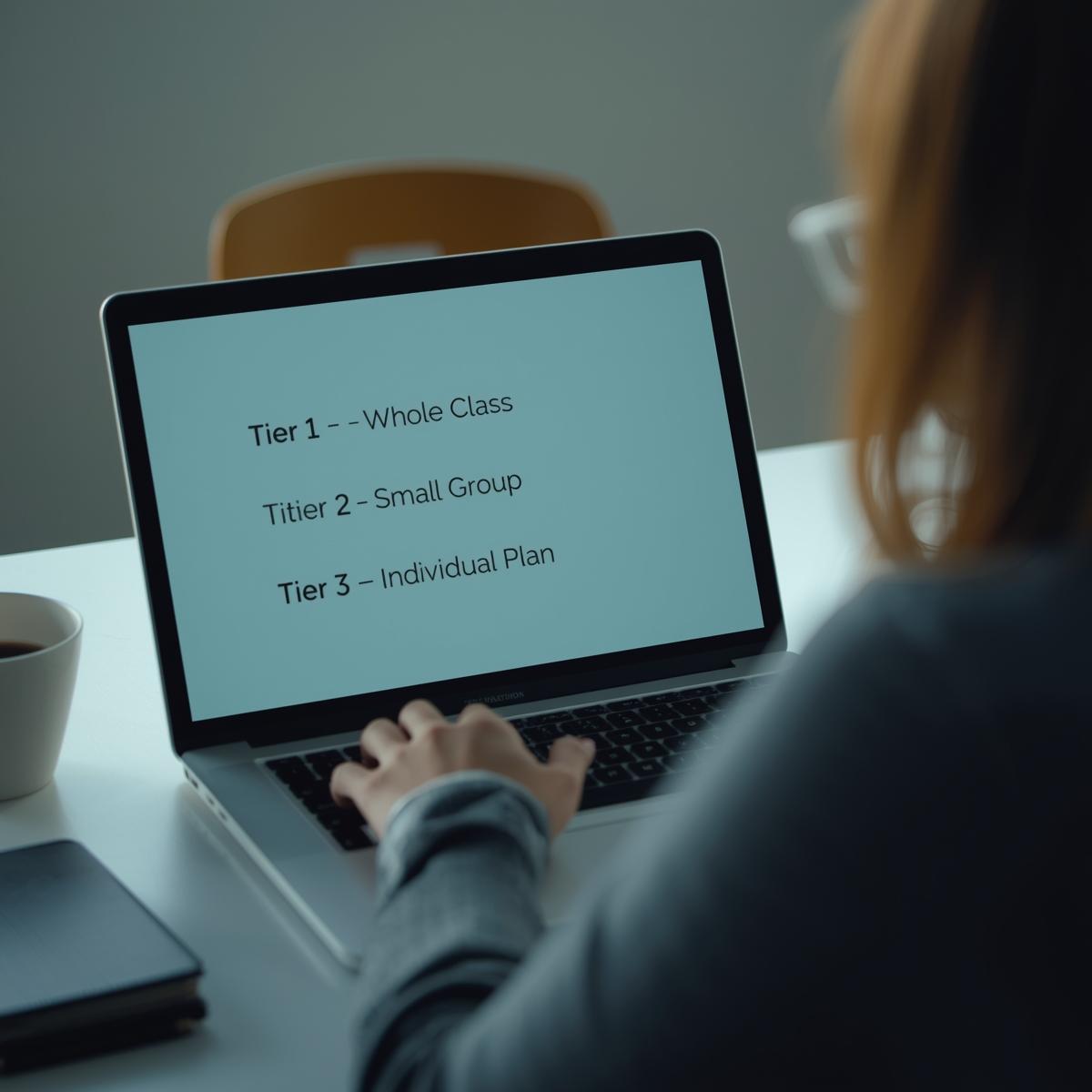
Step 1: Start with the right level
Staff are prompted to identify whether they are working at:
Tier 1 – whole-class systems
Tier 2 – small group adjustments
Tier 3 – individualised classroom plan
This keeps work proportionate and ethical.

Step 2: Use local reference labels
Example:
“Student A – Year 7 Science”
“Small group – Year 3 transitions”
No identifying data is required.
Step 3: Apply, don’t upload
Outputs are:
Drafts
Planning prompts
Structured reflections
Staff decide what (if anything) is transferred into school systems,
following normal policy.

How Much Does The Behaviour Engineer Cost?
Flexible Access for Individual Teachers and Whole Schools
Explore your subscription options and choose the level that fits your role.
STILL NOT SURE?
Frequently Asked Questions
How it works, who it’s for, and why schools trust it.
What is The Behaviour Engineer?
The Behaviour Engineer is a classroom-first GPT designed to help educators build calm, predictable, and inclusive behaviour systems.
It supports:
(✔) Tier 1 classroom-wide systems
(✔) Tier 2 small group supports
(✔) Tier 3 individualized classroom plans
It reduces escalation, workload, and guesswork by helping structure, not stress, do the regulating.
It is a professional practice support tool, not a behaviour management program.
Is this just another initiative or framework?
No.
The Behaviour Engineer does not replace your school’s framework.
It strengthens it. It is not a new program for staff to implement.
It is a structured thinking and planning tool that supports existing practice.
It helps staff move from guesswork to clarity, and from reactive to proactive.
Is this a student record system?
No.
The Behaviour Engineer:
(✖) Is not a student information system
(✖) Is not a behaviour register
(✖) Is not a compliance database
(✖) Is not used for formal documentation storage
It supports planning and reflection only.
Is it safe to use with student scenarios?
Yes, when used appropriately.
Staff are instructed to use non-identifying reference labels only, such as:
“Student A – Year 6”
“Small group – Year 3 transitions”
No student names, records, or confidential documents are required or expected.
Who can see conversations?
Conversations are private to the individual user.
(✔) Staff cannot see each other’s chats
(✔) Schools cannot see other schools’ chats
(✔) Administrators cannot read individual conversations
(✔) There is no shared dashboard or feed
The tool is shared. The thinking is not.
Can school leaders monitor usage?
Within ChatGPT Business (Team / Enterprise):
(➤) Administrators cannot access conversation content
(➤) Usage data, if enabled, is aggregate only (for example, number of users or frequency)
Leaders do not need access to individual chats for the tool to be effective.
Appropriate Use Expectations (Governance)
Principals should set the following expectations with staff:
✔ Appropriate use
Professional reflection and planning
Classroom and behaviour system design
Drafting behaviour support approaches
Preparing for TAC / wellbeing discussions
Leadership-level summaries (optional)
✖ Not appropriate
Entering student names or identifying details
Uploading reports, IEPs, or confidential documents
Using the tool as an official record
Diagnostic or therapeutic decision-making
The tool supports professional judgement; it does not replace it.
READY TO GIVE US A TRY?
Ready to Reduce Escalation This Term?
Whether you're a classroom teacher or leading a whole school, the Behaviour Engineer gives you structured, private, governance-aligned support on demand.
READY TO GIVE US A TRY?
Ready to Reduce Escalation This Term?
Whether you're a classroom teacher or leading a whole school, the Behaviour Engineer gives you structured, private, governance-aligned support on demand.

“Education is the most powerful weapon which you can use to change the world.”h Fon
— Nelson Mandelaagraph Font
FOLLOW US


Behaviour Management Specialists
Primary Education Support Experts
Classroom Adversity Specialists
This is a Paragraph Font
QUICK LINKS
CONTACT US
LEGAL
Copyright 2026. RSO Partners. All Rights Reserved.