
Behaviour was never the root problem
Here’s the uncomfortable truth:
Most classroom behaviour instability is not a discipline failure.
It is an installation failure.
What presents as defiance, disrespect, or disruption is often the predictable output of an unengineered environment.
Behaviour escalates when:
Regulation is not designed into openings and transitions
Routines have not been explicitly installed and practised
Feedback systems lack consistency
Cognitive load exceeds student capacity without responsive adjustment
Expectations are implied rather than operationalised
Attention has no structured anchor
Instruction is layered onto instability
In R³ terms:
Layer 1 was not secured.
Layer 2 was not embedded.
Layer 3 was asked to compensate.
Regulation First.
Routines Second.
Instruction Rides on Top.
When these layers are installed in sequence, behaviour stabilises earlier.
Transitions tighten.
Teacher vigilance drops.
The room begins to regulate itself.
Calm is not a personality trait.
Calm is a system output.
When we treat behaviour as a student problem, we chase symptoms.
When we treat it as a design problem, we install stability.
By clicking the button below, you consent to Behaviour Intelligence and partners to use automated technology, including pre-recorded messages, mobile phone texts and email to contact you at the number and email address provided. This includes if the number is currently on any Do Not Call lists. This consent is not required to make a purchase.
Get Actionable Insights Into:
Early Warning Signs:
Recognize the subtle signals that classroom tension is building before it reaches the breaking point.
Split-Second Decision Making:
Learn how to quickly assess situations and choose the most effective intervention in high-pressure moments.
De-escalation Techniques:
Discover evidence-based strategies that calm students down fast without losing your teaching momentum.
Prevention Strategies:
Build classroom systems that reduce disruptions before they start, creating a calmer learning environment daily.
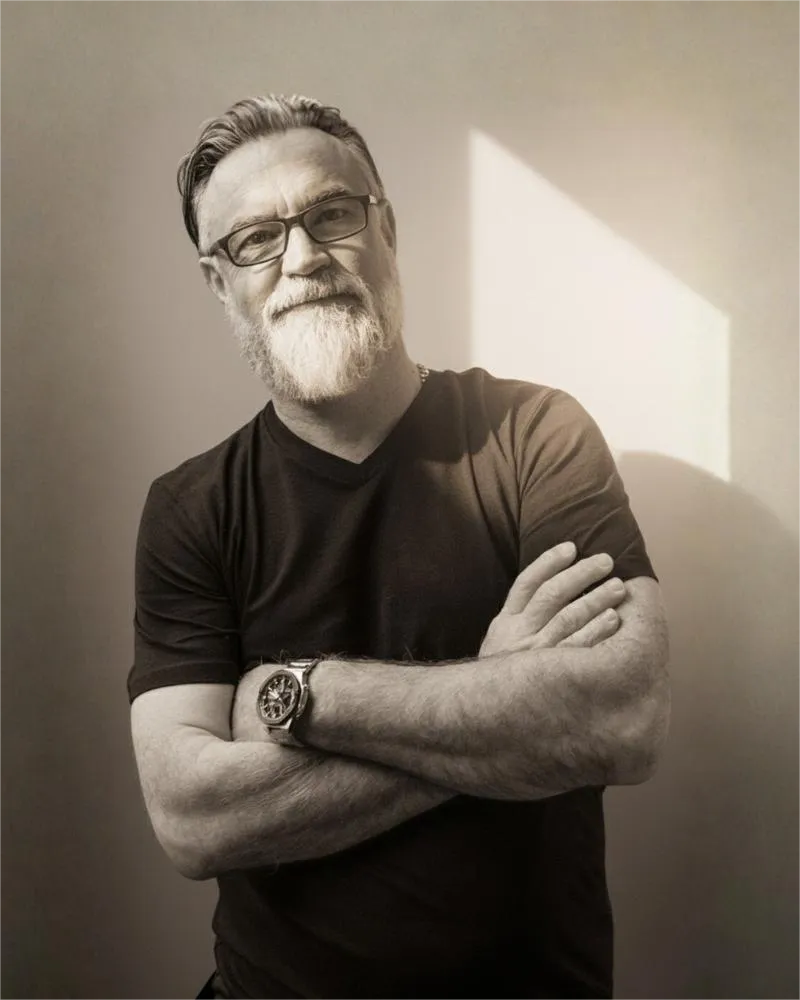
About Stuart McKenzie
I’m Stuart McKenzie, a consultant psychologist with 30 years in public schools, and I work alongside my wife Tina, an early childhood teacher.
My Mission?
Helping primary school teachers turn chaotic, high-adversity classrooms into structured, thriving learning spaces with strategies that really work.
Transform your school, classroom and your teaching
Start your journey to calm, confident control now
“Education is the most powerful weapon which you can use to change the world.”h Fon
— Nelson Mandelaagraph Font
FOLLOW US


Behaviour Management Specialists
Primary Education Support Experts
Classroom Adversity Specialists
This is a Paragraph Font
QUICK LINKS
CONTACT US
LEGAL
Copyright 2026. RSO Partners. All Rights Reserved.